Los Lunas, NM · Calls answered 24/7
Hot Water Slab Leak Help in Los Lunas
There's a spot on the kitchen floor that's warm through your socks. The dog has started sleeping in exactly that place. And the water heater seems to fire up far more often than it used to.
Those clues point to a leak on the hot side of your plumbing, under the slab. It wastes water and energy and can damage flooring over time, so it's worth getting found and fixed.
Chapter 1
Why the hot line is often the one that goes
Hot-water lines go through more stress than cold ones. Each time hot water runs, the pipe warms and expands slightly; when it stops, the pipe cools and contracts. Over years, that movement where the pipe rubs against concrete or gravel can wear it.
Heat can also speed up the effects of hard water inside the pipe. None of this means a hot line will fail. It's just commonly the first one to.
A warm spot on the floor, and the pet that found it first
Hot water escaping under a slab heats the concrete above it. On tile you may feel a distinct warm patch; under carpet it's subtler. Cats and dogs are often the first to notice and claim the spot.
Not every warm floor is a leak. Sunlight through a window, a duct below the floor or a nearby appliance can warm a patch too. A leak-warmed spot usually stays warm day and night and doesn't line up with any of those.
Chapter 2
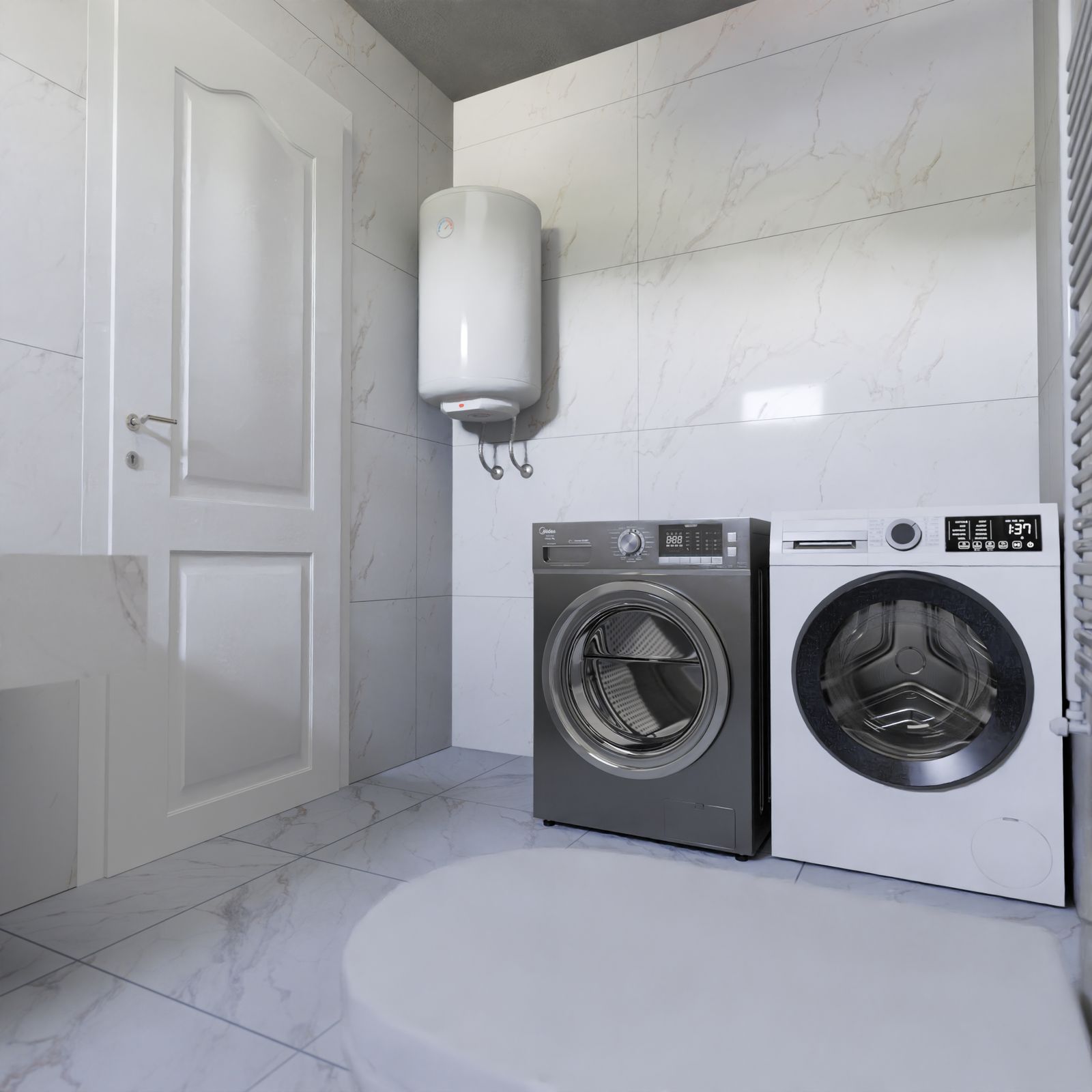
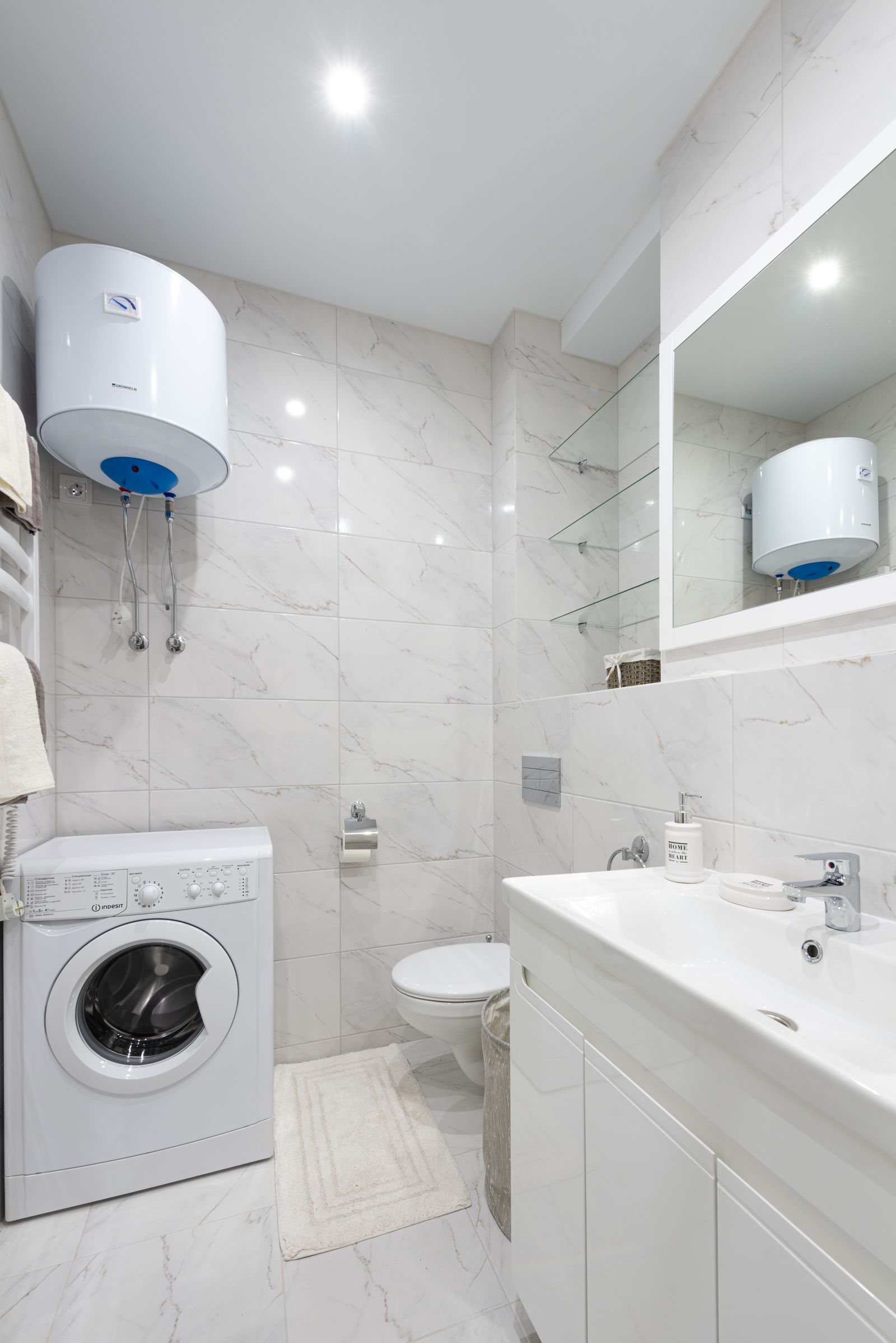
When the water heater is always running
When hot water is leaking, the heater keeps taking in cold water and reheating it. You may hear it firing more often, see a higher gas or electric bill, or run out of hot water sooner than usual. A busy heater on its own could mean other things, but alongside a warm floor it's a strong hint.
Chapter 3
Slowing it down until help arrives
These steps can limit the damage while you wait. They won't fix the leak.
Smell gas? Leave the home and call the gas utility and 911 from outside.
- 01Close the heater's cold supply. The valve on the cold inlet stops new water entering the tank and slows a hot-side leak. You'll have little or no hot water until it's reopened.
- 02Leave the heater's controls alone. Don't touch the gas valve, pilot, burner or electrical controls. If you're unsure which valve is which, leave it and call.
- 03Shut the main if water surfaces. Water coming up through the floor calls for the main shut-off as well.
- 04Check the meter. With everything off, see whether it's still moving.
- 05Photograph the warm area. Include any floor damage, for your own records.
- 06Keep the tile down. Lifting flooring to chase the warmth rarely finds the leak.
Chapter 4
Fixing a hot-side leak
Once it's located, the options are the same broad choices as any slab leak, with one difference: the hot line can be handled on its own.
Repair at the spot
The slab is opened where the leak is, the hot line is repaired and tested, and the concrete is patched.
Reroute only the hot line
The under-slab hot run is capped and a new hot line goes overhead, while the cold side stays as it is.
Replace more of the system
If both sides have a history of leaks, moving all supply lines overhead may be discussed.
Wondering about your policy? Read our slab leak insurance questions. Still unsure it's a leak at all? The full list of slab leak signs covers the look-alikes.
Call now about a warm floorChapter 5
Is it the water heater or the line under the floor?
A heater that runs constantly can point to a hot-side slab leak, but the heater itself can also be the problem. Telling them apart is one of the first things a technician does.
Points toward the heater
- Water around the base of the tank or in its drain pan
- Rumbling or popping from the tank
- Hot water running out fast, with no warm spot anywhere on the floor
Points toward a hot line under the slab
- A warm patch on the floor away from the heater
- A meter that keeps moving with every fixture off
- A hiss near a wall or floor in a room with hot-water fixtures
- A heater that looks dry and sounds normal but runs more than it used to
Not sure? Describe both when you call. The technician checks the heater and the hot line before recommending anything, so you don't pay to fix the wrong one.
Chapter 6
Hot water slab leak clues in Los Lunas houses
In East Los Lunas, many slab homes keep the water heater in the garage, with the hot line running under the floor to the kitchen and baths. Copper pipe and years of very hard water make that line a frequent source of warm-floor calls.
In West Los Lunas, newer homes plumbed with PEX tend to show hot-side trouble at fittings and connections rather than along the pipe. On tile, the resulting warm patch is often easy to feel.
Chapter 7
Hot-side leak questions
General answers only. Ask the technician about your home.
If it isn't explained by sun, a duct or an appliance, a warm patch can mean hot water is escaping from a line under the slab and heating the concrete from below. It tends to stay warm around the clock. A technician can confirm it with pressure testing on the hot line and a thermal camera to see how far the warmth spreads.
A leak on the hot side means water keeps leaving the tank, so the heater keeps refilling and reheating. You might hear it more often, notice a higher energy bill or run out of hot water sooner. Other things can make a heater work harder too, which is why it's worth checking alongside other clues like a warm floor.
It mainly wastes water and energy, and over time it can damage flooring and the materials around the leak. It's not something to ignore, but it's also not a reason to panic. Slow it down using the steps on this page and call a professional to find and fix it.
Yes. Closing the cold supply valve on the water heater's inlet stops water entering the tank, which slows a hot-side leak while leaving your cold water working. Leave the gas and electrical controls alone. If you can't tell which valve to use, leave it and ask when you call.
The technician typically tests the hot and cold lines separately to confirm which side is losing pressure. Then they use acoustic equipment and thermal imaging to narrow down where along the hot line the water is escaping. Warm-floor clues often give them a head start.
Often, yes. A hot-line-only reroute disconnects the leaking under-slab hot run and replaces it with a new line through the walls or attic, while the cold side stays in place. Whether it suits your home depends on the layout and the condition of the cold line.
It can. Your water heater is reheating water that's leaking away, which uses extra gas or electricity. How much depends on how fast the leak is and how your heater is set up. Closing the heater's cold supply while you wait can help limit it.
Sooner is better. The longer it runs, the more water and energy it wastes and the more chance it has to affect flooring. Calls are answered 24/7, and same-day dispatch is offered where available.
If you close the water heater's cold supply to slow the leak, you'll have little or no hot water until it's reopened. Some people open it briefly for essential use. Ask the technician what makes sense for your situation when you call.
It's possible, especially in two-storey homes or where hot lines rise through walls to reach fixtures. Pressure testing and listening help the technician work out whether the leak is below the slab or above it. The repair options differ depending on which, so that question is settled before any work is proposed.
Let the floor cool down.
A local technician can find the hot-side leak and explain your options.
Call for a same-day slot