Los Lunas, NM · Calls answered 24/7
Slab Leak Repair in Los Lunas
The leak has been found, and now there's a mark on your floor. What you want to know is what happens to that spot, and to the rest of the room, when it gets fixed.
A spot repair goes straight to the problem: a targeted opening through the slab, a repair to the damaged section of pipe, a pressure test and a concrete patch. For a single leak on otherwise healthy pipe, it's often the most direct fix.
Chapter 1
Going through the slab at one spot
The technician removes the flooring at the marked location, then opens the concrete just wide and deep enough to reach the pipe and work around it. The aim is the smallest practical opening, which is why accurate detection beforehand matters so much.
With the pipe exposed, the damaged section is cut out and replaced or joined with new pipe and fittings suited to the existing line. Sometimes what's visible at the opening changes the plan, for example if the pipe nearby looks worn. If that happens, the technician stops and talks it through with you before going further.
Keeping the rest of the house clean
Cutting concrete makes dust and debris. Expect the work area to be sectioned off with plastic sheeting, floors covered along the path to the door, and furniture near the spot moved or wrapped. Ask the technician what they'd like cleared before they start.
Water will be off during parts of the job. If you'll be home, fill a few jugs for cooking and washing up beforehand.
Chapter 2
Proving the fix holds
Before the opening is closed, the repaired line is brought back up to pressure and watched. This step confirms the repair is sound and checks for a second leak elsewhere on the same line. If pressure doesn't hold, that's useful information too: it may point to another leak that the first round of detection didn't pick up.
Closing the floor back up
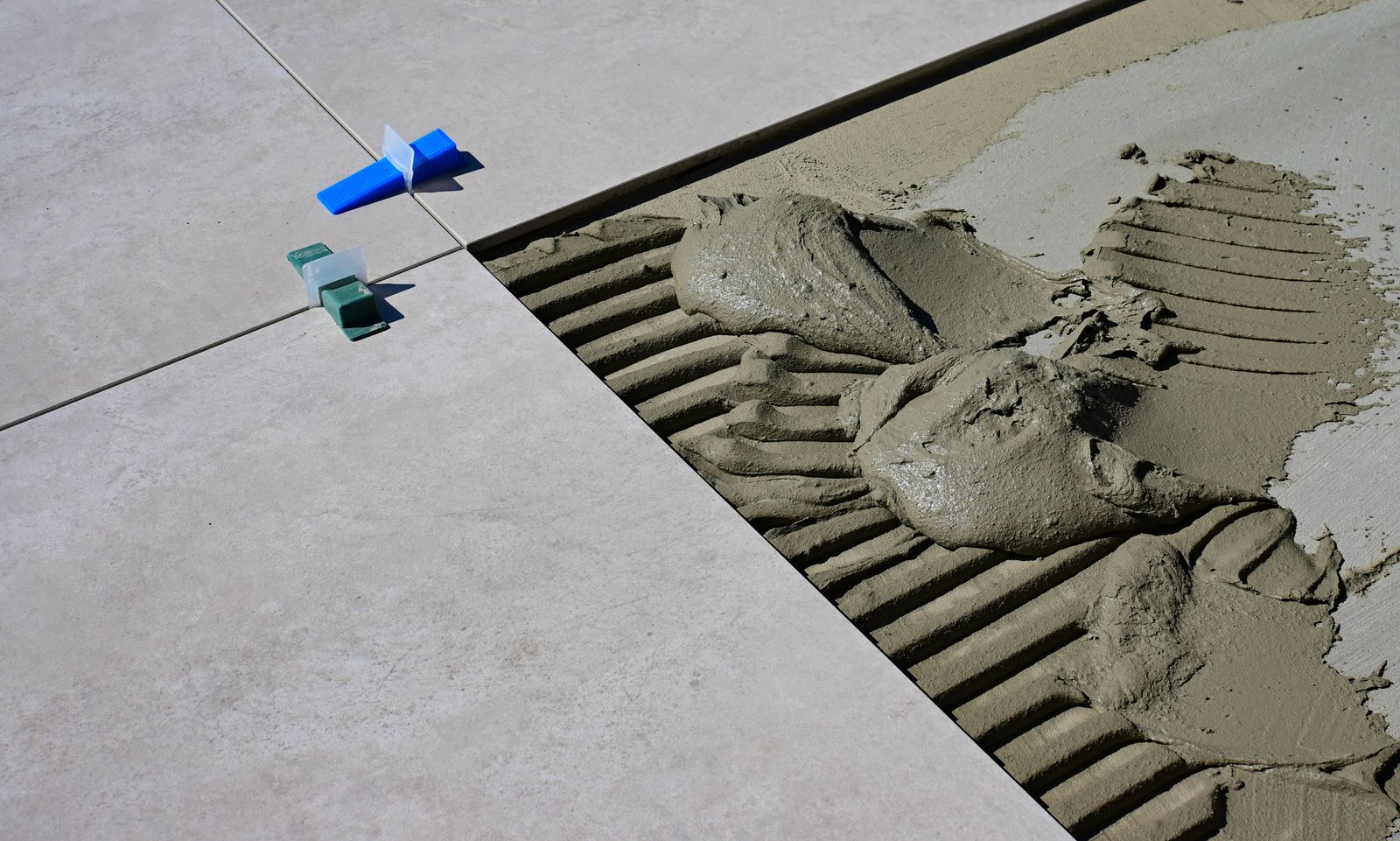
After the test, the pipe is bedded, the opening is backfilled and the concrete is patched level. That's where the plumbing work ends.
Tile, wood, carpet and other finished flooring are put back by flooring professionals, not the plumber. If you have spare tiles from when the floor went in, set them aside now. Planning to involve your insurer? Read our slab leak insurance questions first.
Chapter 3
When a slab leak spot repair makes sense
A spot repair tends to fit when
- It's the first leak the house has had.
- The pipe around the leak looks sound once exposed.
- The spot is reachable, not under a cabinet run or a tub.
Other options are worth weighing when
- The same line has leaked before.
- Testing turns up more than one leak.
- The leak sits beneath something hard to remove, like an island or a tiled shower.
When those warning signs show up, many homeowners look at rerouting the affected line or a whole-home repipe instead. The technician explains the trade-offs and prices each option upfront.
Get upfront pricing on the phoneChapter 4
Questions to ask before the slab is opened
A few minutes of conversation before the saw comes out can save confusion later. These are worth raising once the leak is marked.
- How sure are you of the location? The answer tells you whether a second method confirmed it and how large the opening is likely to be.
- What happens if the nearby pipe looks worn? Agree in advance that the technician will stop and talk to you before the job grows.
- Which rooms lose water, and when? Knowing the shut-off plan lets you work meals, showers and laundry around the repair.
- What does the concrete patch include? Ask whether it's left level and ready for flooring, and how long to wait before flooring goes down.
- What does the workmanship guarantee cover? The terms are the technician's, so have them explain what applies to this repair.
- Is anything stored near the spot? Furniture, rugs and boxes are easier to move before the crew arrives than in the middle of the work.
Chapter 5
Slab leak repair in Los Lunas homes
In East Los Lunas, many of the 1970s–1990s slab homes still have their original copper. A first leak in one of these houses is a common spot-repair call, though the age of the rest of the pipe is worth discussing as you weigh the options.
On the newer streets of West Los Lunas, homes plumbed with PEX tend to leak at fittings rather than along the pipe itself, and a single failed fitting is often a good candidate for a targeted repair. Caliche and clay can make digging beneath the slab slower, which the technician will factor into the plan.
Until the repair starts
- Check the meter now and then so you know if the leak is speeding up.
- If it's on the hot side, closing the water heater's cold supply can slow it. Leave the gas and electrical controls untouched.
- Close the main shut-off if water comes up through the floor.
- Photograph the marked area and any damage before work begins.
- Let the technician do the opening. Don't start removing tile yourself.
Smell gas? Leave the home and call the gas utility and 911 from outside.
Chapter 6
Slab leak repair questions, answered
General answers. Your technician can speak to your house.
If the repair happens at the leak itself, the slab has to be opened to reach the pipe. The way to avoid opening the floor is to reroute instead: the leaking under-slab line is disconnected and a new one runs through the walls or attic. That trades a floor opening for a few wall openings. The technician can explain which approach suits your house and price both.
It depends on how deep the pipe sits, the type of soil underneath and how much room the technician needs to work. The goal is always the smallest practical opening at the marked spot. Accurate detection beforehand is what keeps it small. Ask the technician to show you the planned size before they start cutting.
Flooring professionals. The plumbing work covers opening the slab, repairing the pipe, testing it and patching the concrete level. Replacing tile, wood, carpet or other finished flooring is a separate trade. If you're working with an insurer, ask how they handle flooring as part of the claim.
That varies with access, soil conditions, the pipe material and what the technician finds once the pipe is exposed. Some repairs are straightforward; others take longer because of digging conditions or a second problem nearby. The technician can give you a realistic sense once they've seen the spot.
The repaired section is tested before the floor is closed. That doesn't change the condition of the rest of the pipe, though, and another part of the same line or a different line can develop a leak later. If your house has already had more than one, ask about rerouting or repiping.
Usually, yes. Expect noise from cutting concrete, some dust despite sheeting, and periods without water. If anyone in the house is sensitive to noise or dust, or you work from home, you may prefer to be out while the slab is being opened.
It fixes that spot. Whether it's the last repair the line needs depends on the age and condition of the rest of the pipe, which a spot repair doesn't change. That's why technicians look at the exposed pipe closely and will tell you if they see signs of wider wear.
Each can be repaired separately if they're both reachable, but two leaks on the same line often prompt a conversation about rerouting that line instead. The technician will lay out the cost and disruption of each approach so you can compare them.
Not necessarily. Water needs to be off while the pipe is cut and repaired, and during testing. Depending on how the plumbing is arranged, some fixtures may work at other times. Ask the technician to explain the shut-off plan before work starts.
Usually only the area around the marked spot needs clearing. Furniture and belongings close by should be moved or covered, and the room may be sectioned off with plastic sheeting while the concrete is cut. The rest of the house can generally be used as normal, apart from the planned water shut-offs.
One leak, fixed where it is.
Options and pricing are explained before anyone touches the slab.
Call for a same-day slot